|
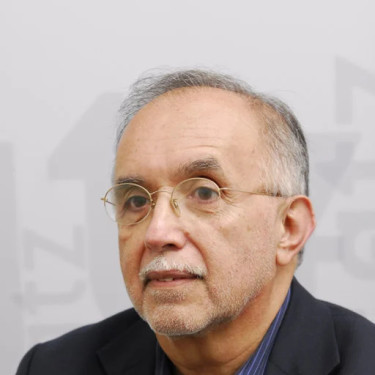
Luis Enrique López
Sociolingüista y educador peruano especializado en educación intercultural bilingüe (EIB). Cursó estudios de postgrado en lingüística aplicada y sociolingüística en la Universidad de Lancaster, Inglaterra. Actualmente es Coordinador del Instituto Iberoamericano de Lenguas Indígenas (IIALI), desde el Fondo para el Desarrollo de los Pueblos Indígenas de América Latina y el Caribe (FILAC). Ha sido docente invitado del Seminario de Estudios Interculturales del Doctorado en Educación, Territorio e Interculturalidad de la Universidad del Magdalena, de Santa Martha, Colombia. Fue Presidente de la Red de Formadores en Interculturalidad y Educación de América Latina (RED FEAIL), para el período 2019-2022. Fundó y dirigió la Maestría en Lingüística Andina en la Universidad Nacional del Altiplano de Puno, Perú, entre 1985 y 1988, la cual forma especialistas aimara y quechua hablantes. En 1990 apoyó a la Universidad de Cuenca, Ecuador, en la preparación de la Licenciatura en Lingüística Andina y Educación Intercultural Bilingüe. Asesoró al gobierno de Bolivia para llevar a cabo su reforma educativa entre 1992 y 1995. Dirigió el Programa de Formación en Educación Intercultural Bilingüe para los Países Andinos (PROEIB Andes), entre 1996 y 2007, desde la Universidad de San Simón de Cochabamba, Bolivia.
|
|
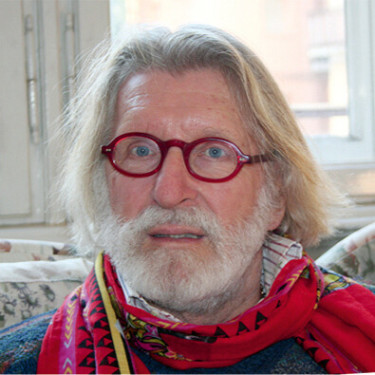
Matthias Abram
Matthias Leonhardt Abram llegó al país hace 50 años. Hizo una fuerte contribución al pensamiento, la ciencia y el convivir de la capital. Editó varios textos como la revista Pueblos Indígenas y Educación de la Editorial Universitaria Abya Yala, además de ser fundador y padrino de la Unidad Educativa Intercultural Bilingüe Tránsito Amaguaña, en Quito. Siempre fue considerado un ecuatorianista, filósofo y lingüista. Conoció Ecuador en 1972 durante un viaje de voluntario cooperante. Trabajó en Quito en 1974 como coordinador del Servicio Alemán de Voluntario y se quedó a vivir en el país.
|
|
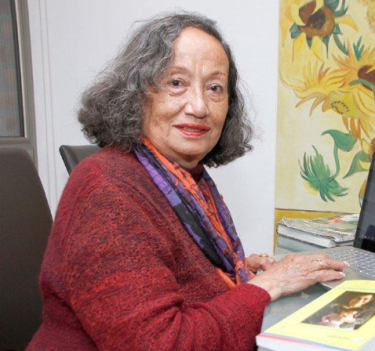
Ruth Moya
Ruth Moya es Pedagoga y sociolingüista, a lo largo de su carrera, ha desempeñado diversos roles en los campos de educación, investigación y política social. Sus valiosos aportes han sido fundamentales para el desarrollo de los estudios sobre interculturalidad y educación indígena en Ecuador. Su producción intelectual abarca temas como el estudio de las lenguas, los derechos, la literatura mítica y la cosmovisión indígena de América, con un enfoque que va desde Ecuador hasta Guatemala, y desde Bolivia hasta Chile.
|
|
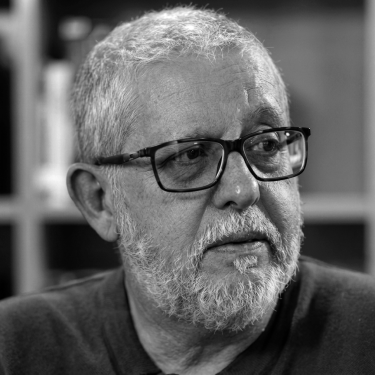
Marcus Maia
Marcus Maia es doctor en Lingüística por la Universidad del Sur de California (USC, 1994). Realizó estudios posdoctorales en Procesamiento del Lenguaje como investigador visitante en la Universidad de la Ciudad de Nueva York (CUNY, 2003-2004). Fue profesor visitante en el Departamento de Español y Portugués y en el Centro de Investigación de Adquisición del Lenguaje de la Universidad de Massachusetts, Amherst, durante el primer semestre de 2012, y en el Departamento de Lingüística de la Universidad de Massey, Nueva Zelanda, durante el segundo semestre de 2017. Actualmente es catedrático de Lingüística en el Departamento de Lingüística y en el Programa de Posgrado en Lingüística de la Facultad de Letras de la UFRJ. Es becario de investigación de nivel 1C (CNPq) y fue Científico del Estado (FAPERJ, 2015-2018). Miembro fundador de la Red Nacional de Ciencias para la Educación. Fundó y coordina el Laboratorio de Psicolingüística Experimental ( LAPEX ). Trabaja en las áreas de Psicolingüística, Teoría y Análisis Lingüístico y Lenguas Indígenas Brasileñas, desarrollando investigaciones sobre sintaxis y procesamiento léxico, sintaxis experimental, Teoría de la Gramática, psicolingüística educativa, lenguas indígenas, educación indígena y revitalización lingüística.
|
|
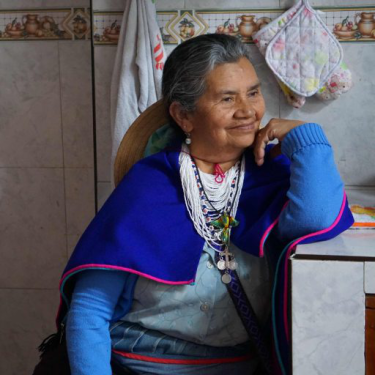
Bárbara Muelas Hurtado
Docente, Estudio realizados maestría en lingüística y español en la Universidad del Valle. Cargo de Autoridad Primera Vicegobernadora en el año 2005. Traducción de los apartes de la Constitución Política 1991. Autor de los libros: Piurek “Hijos del agua”, Nuisuik “temporalidad espacial, medición y conteo entre los misak”, “Espacio y Tiempo en el pensamiento misak” entre otras cartillas pedagógico.
|

|
Yazmín Yadira Novelo Montejo
Sociolingüista y comunicóloga, especializada en comunicación intercultural y para el desarrollo; revitalización lingüística y cultural de pueblos indígenas primordialmente del pueblo maya yucateco. Formulación de políticas públicas lingüísticas. Diseño y ejecución de proyectos dirigidos al fortalecimiento de las lenguas y culturas originarias.
|
|
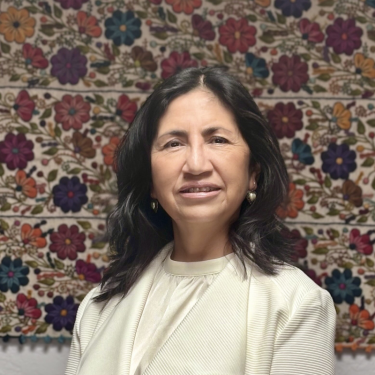
Rosa Vallejos Yopán
Soy profesora de Lingüística y becaria presidencial de docencia en la Universidad de Nuevo México. Mi investigación se centra en la Amazonía, una de las regiones con mayor biodiversidad del mundo. Trabajo en varios proyectos para estudiar tres lenguas tipológicamente distintas: el kukama-kukamiria (tupianos), el secoya (tukanoano) y el español amazónico . Mi investigación se centra en la morfosintaxis, el contacto lingüístico y el trabajo de campo documental.
|

|
Sonia Pineda Rodríguez
Biografía próximamente disponible...
|

|
Felipe Domingo Curivil Bravo
Biografía próximamente disponible...
|
|
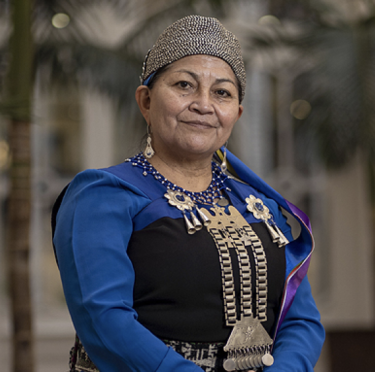
Elisa Loncon Antileo
Elisa Loncon Antileo (Traiguén, 23 de enero de 1963). Doctora en Lingüística, Profesora de Inglés y política. En la Convención Constitucional, representante del Pueblo Mapuche, electa vía Escaños Reservados representantes de Pueblos Indígenas. Presidenta de la Convención Constitucional entre el 4 de julio de 2021 y el 5 de enero de 2022. Es Profesora de Inglés de la Universidad de La Frontera, con cursos de postítulo en el Instituto de Estudios Sociales de la Haya (Países Bajos) y en la Universidad de Regina (Canadá). Posee un Magíster en Lingüística de la Universidad Autónoma Metropolitana, Iztapalapa UAM-I (México), un PhD en Humanidades de la Universidad de Leiden (Holanda) y un Doctorado en Literatura por la Pontificia Universidad Católica de Chile. Ha sido académica, investigadora y asesora en numerosas iniciativas. Es profesora del Departamento de Educación de la Universidad de Santiago de Chile, abocándose a la investigación sobre la enseñanza del mapudungun y profesora adjunta de la Facultad de Letras, investigadora del Centro de Estudios Indígenas e Interculturales (CIIR) de la Pontificia Universidad Católica de Chile.
En septiembre de 2021, la Revista Time la consideró entre las 100 personas más influyentes del 2021.
|
|
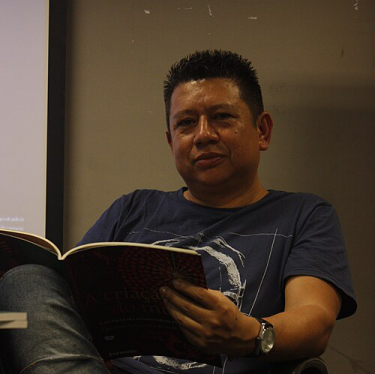
Emerson de Oliveira Souza
Candidato a doctorado y máster en Antropología Social - Programa de Posgrado en Antropología Social - Universidad de São Paulo. PPGAS/USP - Licenciatura en Ciencias Sociales de la PUC-SP - Pontificia Universidad Católica de São Paulo. Guaraní, catedrático de Sociología en la Red de Educación del Estado de São Paulo. Es investigador en el Centro de Estudios Amerindios (CEstA-USP). Desde 2010, ha participado en la formación de docentes en el sistema de escuelas públicas de São Paulo y Gran São Paulo en relación con la implementación de la Ley 11.645/08. Su investigación, "Pueblos Indígenas en la Metrópolis: Movimiento, Universidad e Invisibilidad en la Ciudad Más Grande de América", resalta la presencia indígena en las grandes ciudades, especialmente en la ciudad de São Paulo. Asesor del Currículo Indígena 2021-2023 - Ayuntamiento de São Paulo - Departamento Municipal de Educación de São Paulo. Pertenezco a una nueva generación de científicos sociales, y mi antropología se alinea con un nuevo enfoque que invierte los roles durante el proceso de investigación. Mientras que la antropología, la sociología y la psicología, junto con sus campos afines, buscaban sus objetos de investigación en los grupos indígenas, hoy la antropología y la psicología de los pueblos indígenas introducen un nuevo modelo dentro de este proceso: los pueblos indígenas emergen no como objetos de investigación, sino como sujetos de conocimiento.
|
|
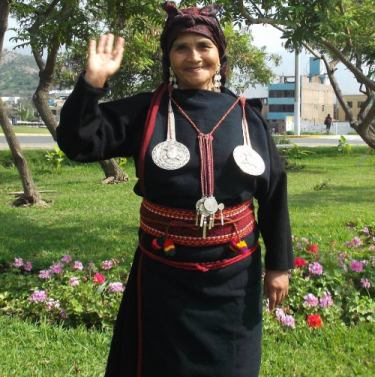
Yolanda Nieves Payano Iturrizaga
Lingüista de la Universidad Mayor de San Andrés. Mi lengua materna es JAQARU. Gestora para la aprobación del alfabeto de la lengua JAQARU.
|